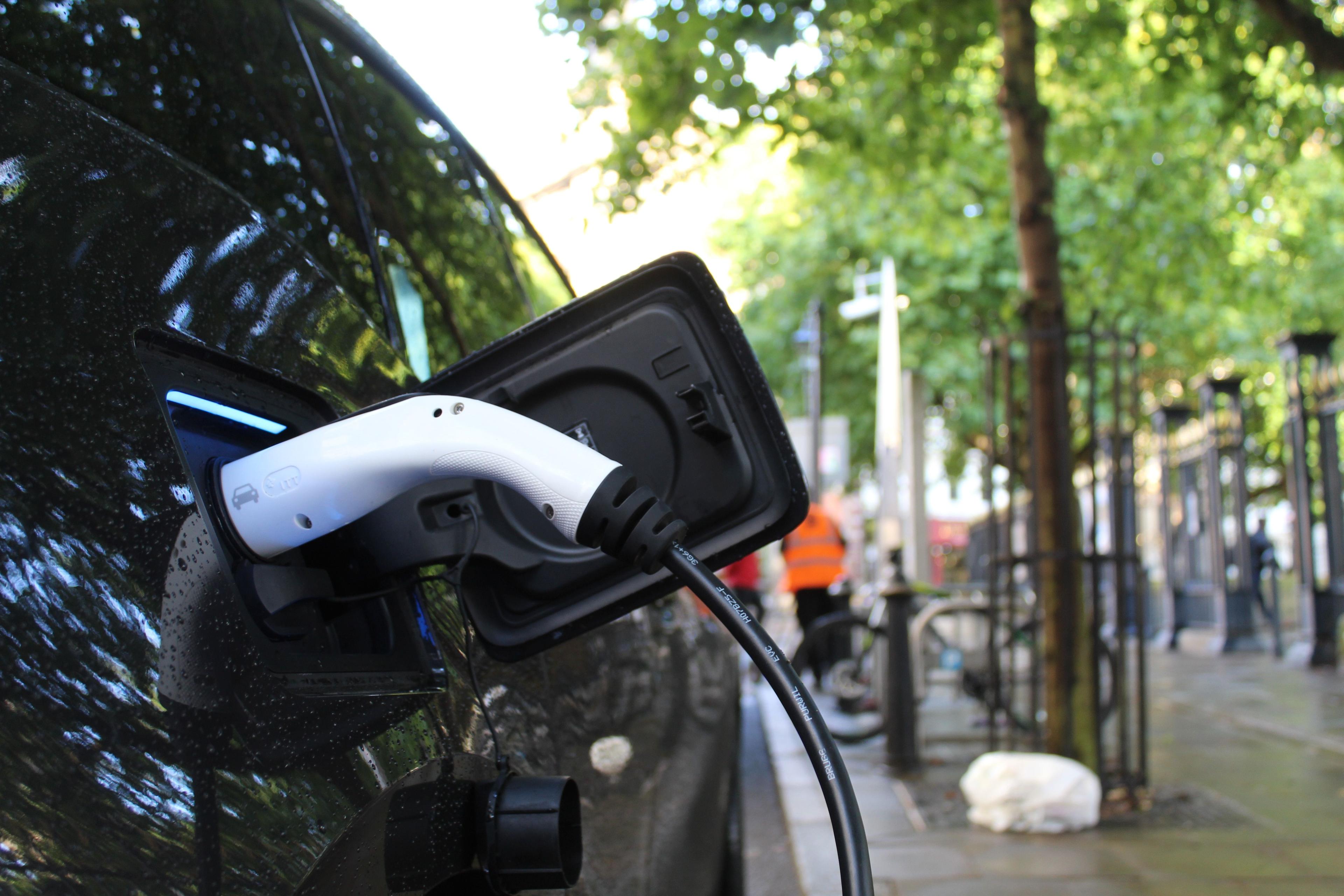
EVs: Raising standards, cutting costs

16.06.2023 - 07:20
In a new report for the Electric Vehicle Council, Mandala unpacks how an effective new vehicle efficiency standard can reduce vehicle emissions and save consumers money. Our analysis found that a well-designed NVES could deliver up to $13.6 billion in savings for Australians over the next decade, and also avoid up to 31 million tonnes of carbon dioxide emissions.
This study examines the potential impact of introducing a new vehicle efficiency standard in Australia
Australia needs a strong new vehicle efficiency standard (NVES) to catch up to its global peers and cut costs for motorists Implementing a strong NVES will reduce fuel and maintenance costs for consumers, as well as deliver substantial environmental benefits.
While the NVES would have a relatively modest impact on vehicle prices, this would be more than offset by cost savings over the life of the vehicle – making cars cheaper overall for consumers.

More than 85% of vehicles sold worldwide are covered by a NVES. Australia is currently one of the few developed nations, along with Russia, without a NVES.
The European Union (EU) has the strongest standard, requiring all new vehicles sold by 2035 to be zero-emissions vehicles.

Currently, the EU sells over 200 models of electric vehicles (EV) compared to just over 50 in Australia.
Meanwhile, new internal combustion engine (ICE) vehicles in Australia emit up to 1.5 times more carbon dioxide than those in Europe – leaving a significant market gap between Australia and our global peers.
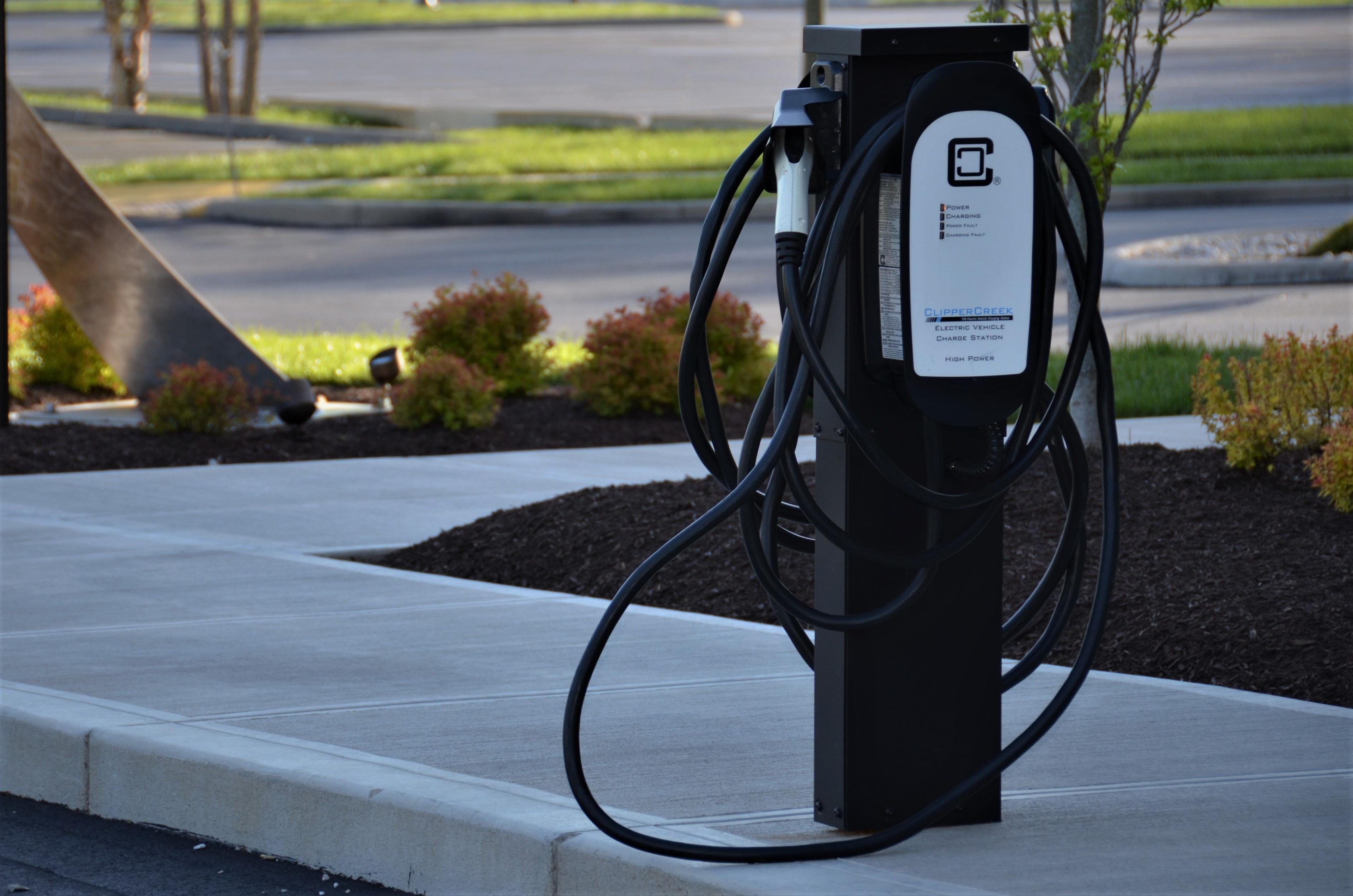
A strong standard will improve the efficiency of new vehicles and increase the supply of electric vehicles.
To assess the impact of the NVES on consumers, this study considers (a) the emissions intensity of new vehicles; (b) the supply of electric vehicles; and (c) the impact on vehicle prices.
Read our latest posts

The Stagnant Nation: Lifting Australia’s Dynamism
Australians are going backwards on real wages and income. Real wage growth has fallen from 0.6 per cent in the 2000s to -0.7 per cent today, the slowest rate since the 1990s recession. Weak productivity growth is a key driver. Productivity growth has dropped from 2.2 per cent in the 1990s to just 0.1 per cent today. The Productivity Commission has pointed to declining economic dynamism as one cause for weak growth, with fewer businesses starting, growing and competing. We confirm declining economic dynamism across five key dimensions and estimate that reversing this decline seen since the mid-2000s could see a GDP uplift of $101 billion per year over the next decade. Our analysis finds that regulation could account for around 20 per cent of declining dynamism. Reducing regulatory burden to late-2000s levels could see GDP uplift of at least $20 billion per year over the next ten years.
7 Oct, 2026

Demonstrating the economic benefits of Airwallex in Australia
Mandala's latest research, commissioned by Airwallex, quantifies the direct and indirect economic benefits of Airwallex in Australia. Airwallex supported $4.6 billion in economic benefits in 2025, a figure roughly equivalent to 2 per cent of the Australian tech sector's contribution to GDP. Of this, $2.5 billion flows directly to platform businesses through productivity gains, new market access and cost savings, with the remainder reaching the broader economy as those benefits move through customers' supply chains. Airwallex supports 29,000 jobs across the Australian economy, and a quarter of economic benefits flow to regional, rural and remote areas. Small and medium businesses capture the largest share of any business segment on the platform, $2.1 billion annually, or $200,000 in economic benefits for the average SMB each year.
16 Sep, 2026

Power to the people
Mandala’s latest research examines how Greater Manchester turned devolved power into economic growth, why it worked, and what it could mean if similar powers were extended across England. Since devolution began in 2009, Greater Manchester’s economy has grown by nearly 45%, outperforming both the rest of England and the UK as a whole. Greater control over funding and policy has enabled the Mayor and Greater Manchester Combined Authority (GMCA) to coordinate investment in transport, housing, skills and economic development around local priorities. This has supported a 41% increase in bus journeys, recycled £300m of government capital into around £1bn of housing investment, delivering 11,000 dwellings, and increased employment in key sectors by over a quarter, compared with 14% across England. Integrating health and social care has also improved life expectancy, with the largest gains in self-reported health in the least healthy neighbourhoods. If local and combined authorities in England had these powers and replicated Manchester, we estimate an annual boost to the economy of up to £80bn, over 93,000 new homes, and £3.1bn in additional economic activity from improved life expectancy.
7 Sep, 2026

The Hidden Economy: Addressing Australia’s Domestic Work and Care Divide
Mandala’s research, in partnership with DoorDash Australia, examines the scale and distribution of Australia's unpaid household labour, the real costs it imposes on individuals and the economy, and the role that emerging technologies and policy reform could play in reducing and more equitably sharing that burden.
6 Sep, 2026